If the system is not structured, it is not finished.
PulseWorx designs how lighting systems work, not just how they look.
Most failures are not fixture failures. They start in the system layer: power, topology, routing, and handover. We fix those before they become site problems.
Bad architecture creates expensive problems. We define the control layer before installation starts: topology, protocol, addressing, routing, and documentation.
We define the full control topology: nodes, universes, protocols, and signal paths. Every output is planned. Every dependency is clear. The installer gets a real spec, not assumptions.
We match protocol to scale, environment, and operator workflow. No generic defaults. No expensive rewiring later.
Patch mapping, output assignment, scene structure, and operator handover. Built to run on site, not only on the bench.
When a system is unstable, we trace the root cause: power, signal, grounding, network, or cabinet design. Then we fix the structure.
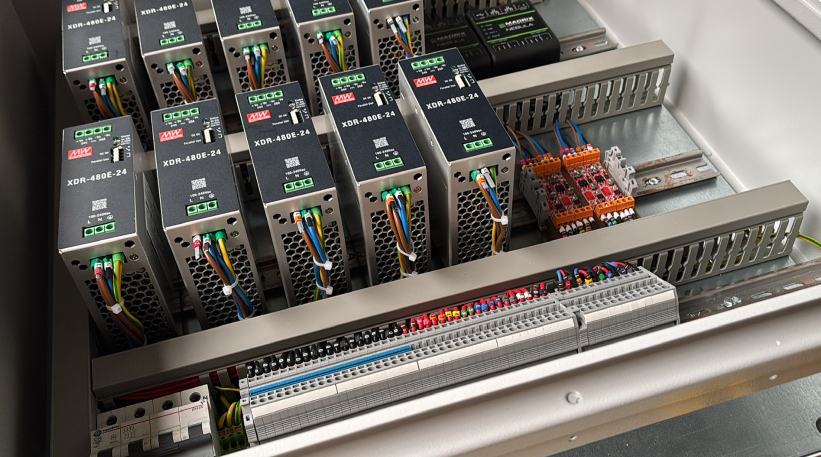
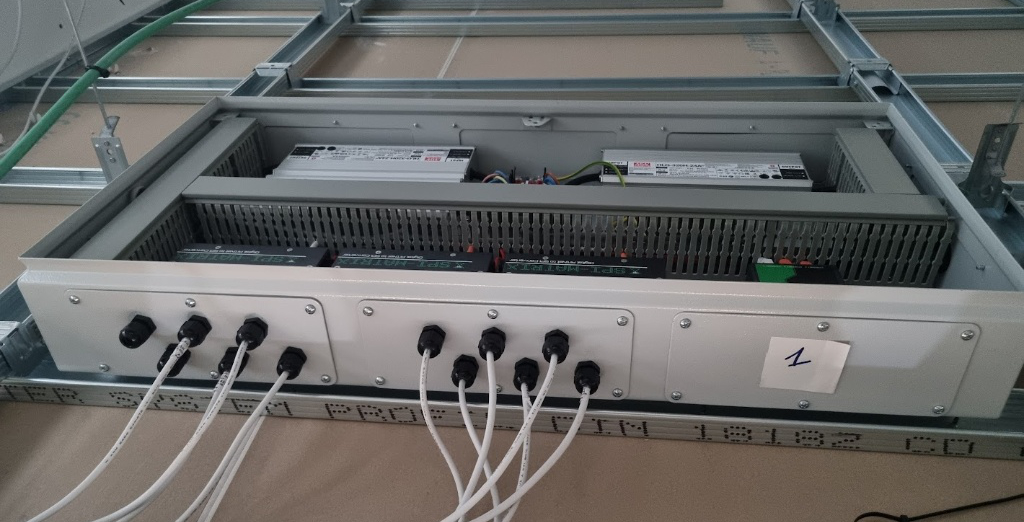
Most site issues start in the cabinet. We build the power and signal layer properly: protected, labelled, testable, and documented.
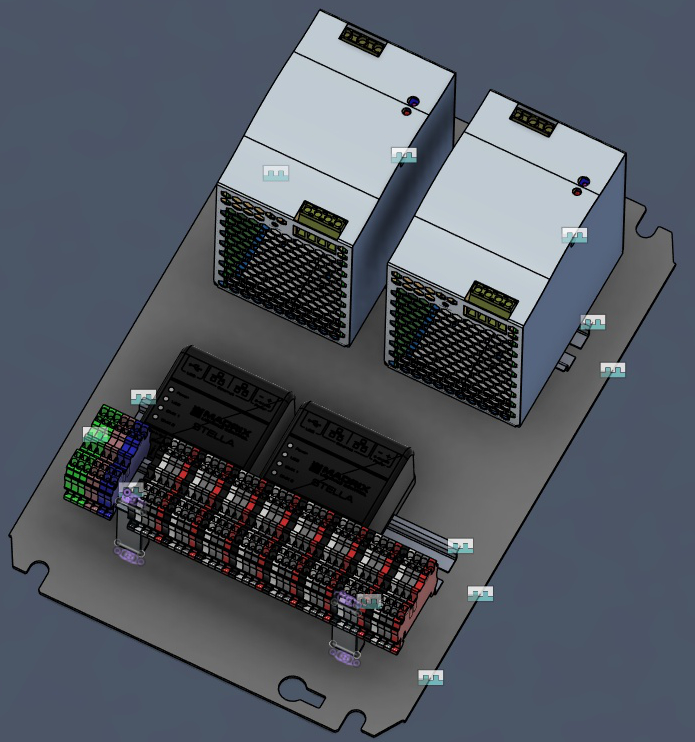
DIN-rail and rack-based control systems with integrated power distribution, buffering, protection, and documentation. Built to install cleanly and stay stable after handover.
Fused rails, isolated outputs, labelled connections, and buffered signal paths. Clean to install. Clear to service.
Waterproof enclosures with strain relief, thermal management, and service access. Built to fit the project.
The hardware layer should make the signal path obvious. That means clear handoff from content source to network, cabinet, controller, and output.
If the installation is already moving, we can review the cabinet, routing, and control layer before commissioning exposes the weak points.
Nothing gets handed over untested. We deploy, commission, document, and leave the client with a system that can be operated and supported properly.
Protocols, addressing, network layout, control flows, and dependencies defined before build starts.
Cabinets, interfaces, and distribution hardware built, labelled, and bench-tested.
Outputs are checked, scenes are verified, and signal paths are tested under real site conditions.
Client-facing documentation, backups, and operator guidance delivered at project completion.
We do not stop at installation. Good delivery means the client understands the system, has backups, and is not dependent on guesswork when something changes months later.
Outputs are not assumed to work. They are checked, mapped, and confirmed in the final environment.
Architecture input, cabinet design, commissioning support, or full delivery. We will tell you what the project needs, and how to make it stable.